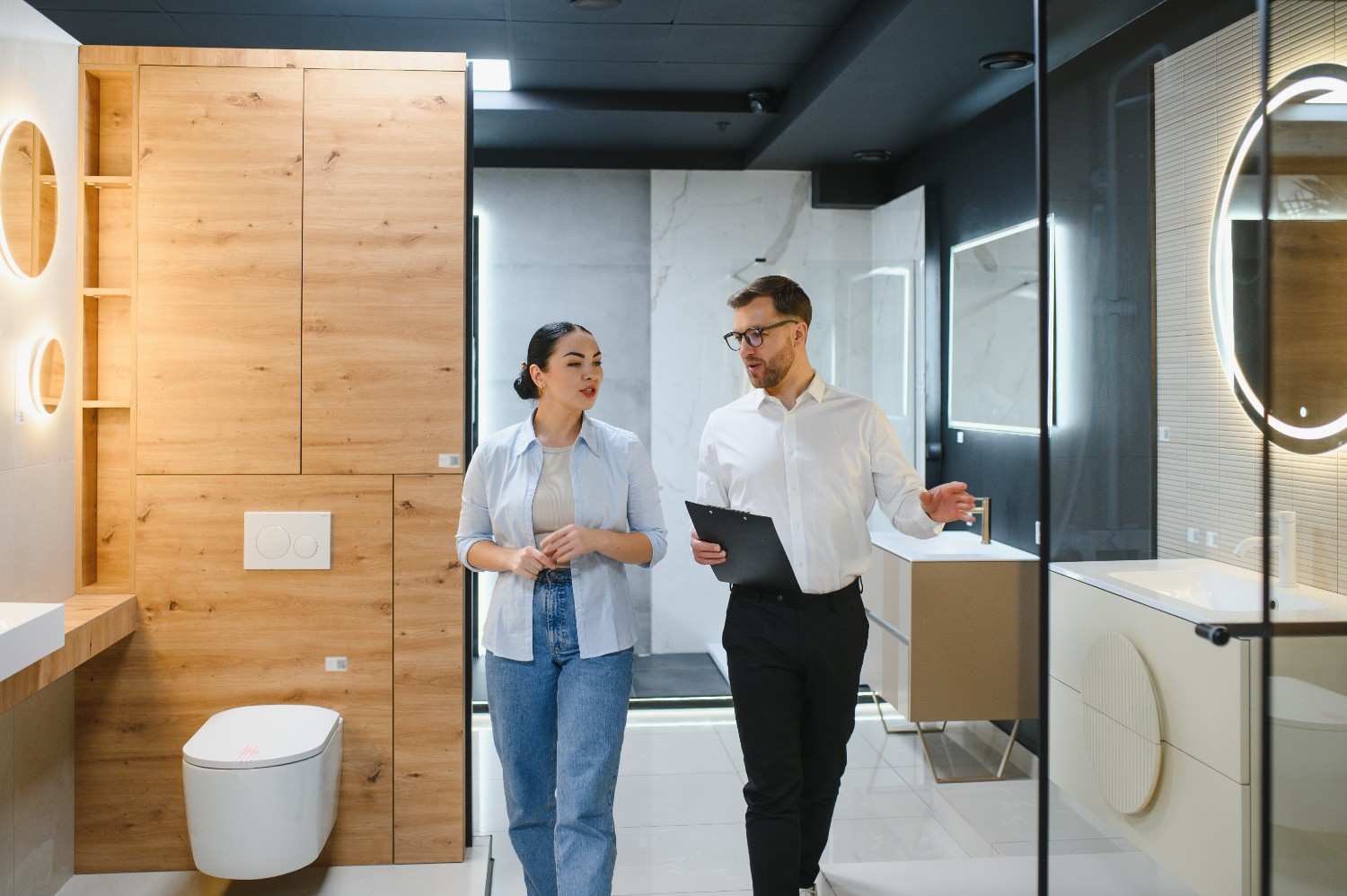
Did you know the Housing Industry Association reports the average Australian bathroom renovation now costs more than $26,000?
It is a major investment, yet the Master Builders Association still lists waterproofing and layout-related defects among the country’s most common building complaints. Industry research also shows that more than 40 percent of renovation regrets come from layout issues rather than tiles or tapware.
With renovation costs rising, planning your bathroom layout correctly is essential. A well-designed bathroom can deliver a 60 to 80 percent return on investment, but poor planning can lead to budget blowouts and even reduce your property’s value. Experts note that poorly arranged or half-finished bathrooms often signal hidden issues to buyers.
To help you avoid these costly mistakes, this blog highlights the key bathroom layout mistakes that frequently catch Melbourne homeowners out. Using industry insights and practical renovation experience, we outline how to plan a bathroom that is functional, compliant and built for long-term value.
Contents
Overcrowding the Space
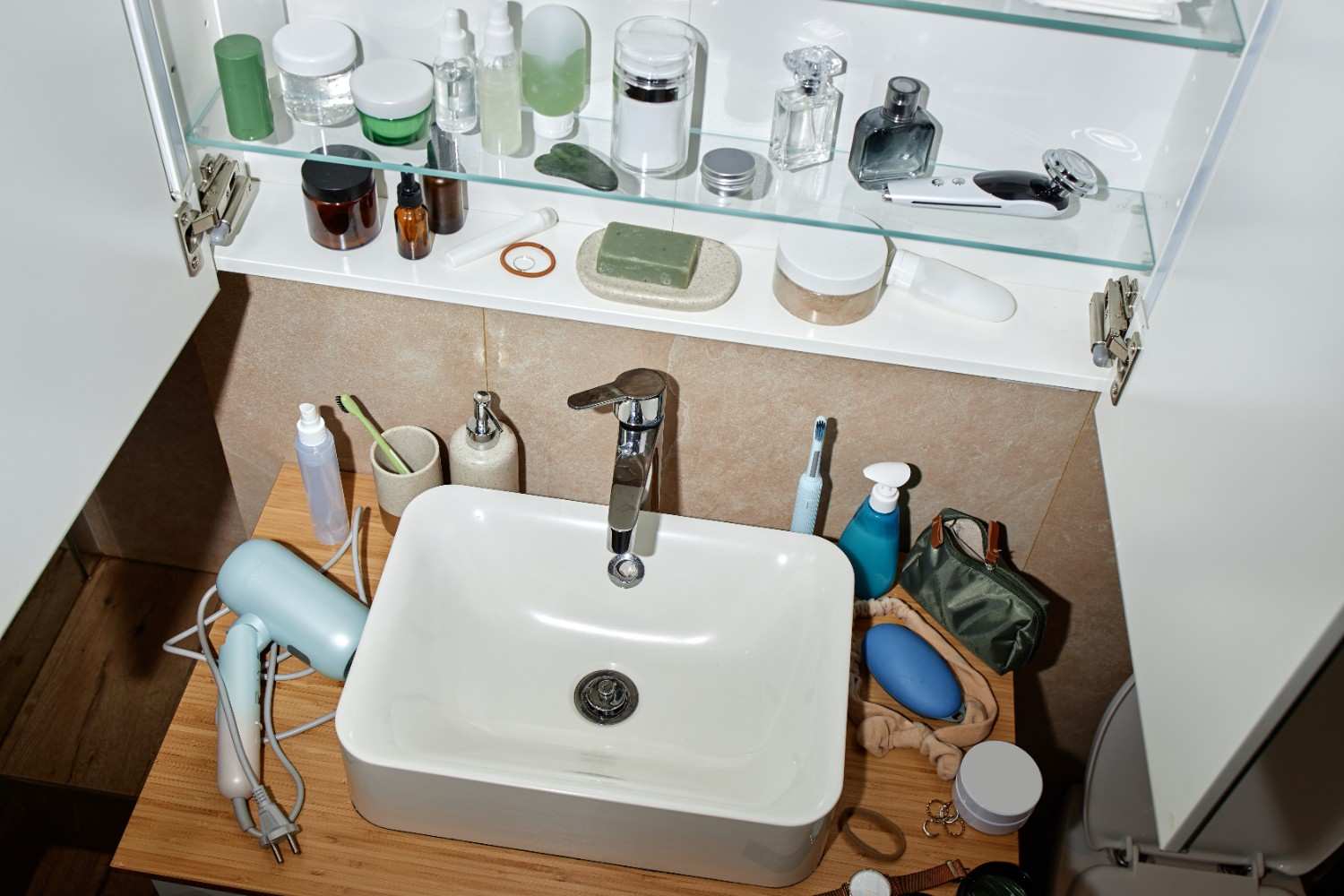
Small bathrooms are common in Melbourne homes, but many homeowners try to fit oversized vanities, freestanding baths or large showers into limited spaces. This is one of the most frequent bathroom layout mistakes, as it restricts movement and makes the room feel cluttered.
Experts recommend designing with balance in mind. A compact room can still feel comfortable when fixtures match the proportions of the layout. JLT Renovations often sees clients who initially select fixtures they love, only to discover they do not suit the available space.
Avoid overcrowding by:
- Selecting fixtures that suit your bathroom’s size
- Keeping pathways free and functional
- Using floating vanities to increase floor visibility
- Prioritising essential elements over trends
Many clients initially want both a bath and a large shower, but practical layout planning often leads to better flow and improved functionality.
Poor Toilet Placement
Placing the toilet in direct sight from the doorway affects both privacy and aesthetics. It is a simple error, yet it is frequently overlooked during early planning. This mistake often forces homeowners into late-stage design changes that increase costs.
A better layout screens the toilet from the main view or positions it to the side of the vanity. JLT Renovations has redesigned many spaces where privacy was compromised simply because the toilet was the first thing seen when entering the room.
Better placement ideas include:
- Hiding the toilet behind a small privacy wall
- Placing it behind the vanity
- Using a concealed cistern design
Visit our past projects for examples of compact layouts that keep toilets discreet and functional.
Lack of Functional Storage
A beautiful bathroom quickly loses appeal when it becomes cluttered. Storage oversights are among the most common bathroom layout mistakes, especially when homeowners focus mainly on tiles or tapware.
Real examples include clients who install open shelving, only to struggle with keeping items organised. Others underestimate how much everyday storage a bathroom needs, which leads to overfilled benchtops within months.
Effective storage solutions include:
- Mirrored cabinets with internal shelving
- Drawer-based vanities for easier access
- Tall, narrow cupboards that fit unused corners
- Built in shower niches to replace baskets
Check out the custom joinery in our Wantirna project that keeps benchtops clutter-free.
Insufficient Lighting Layout
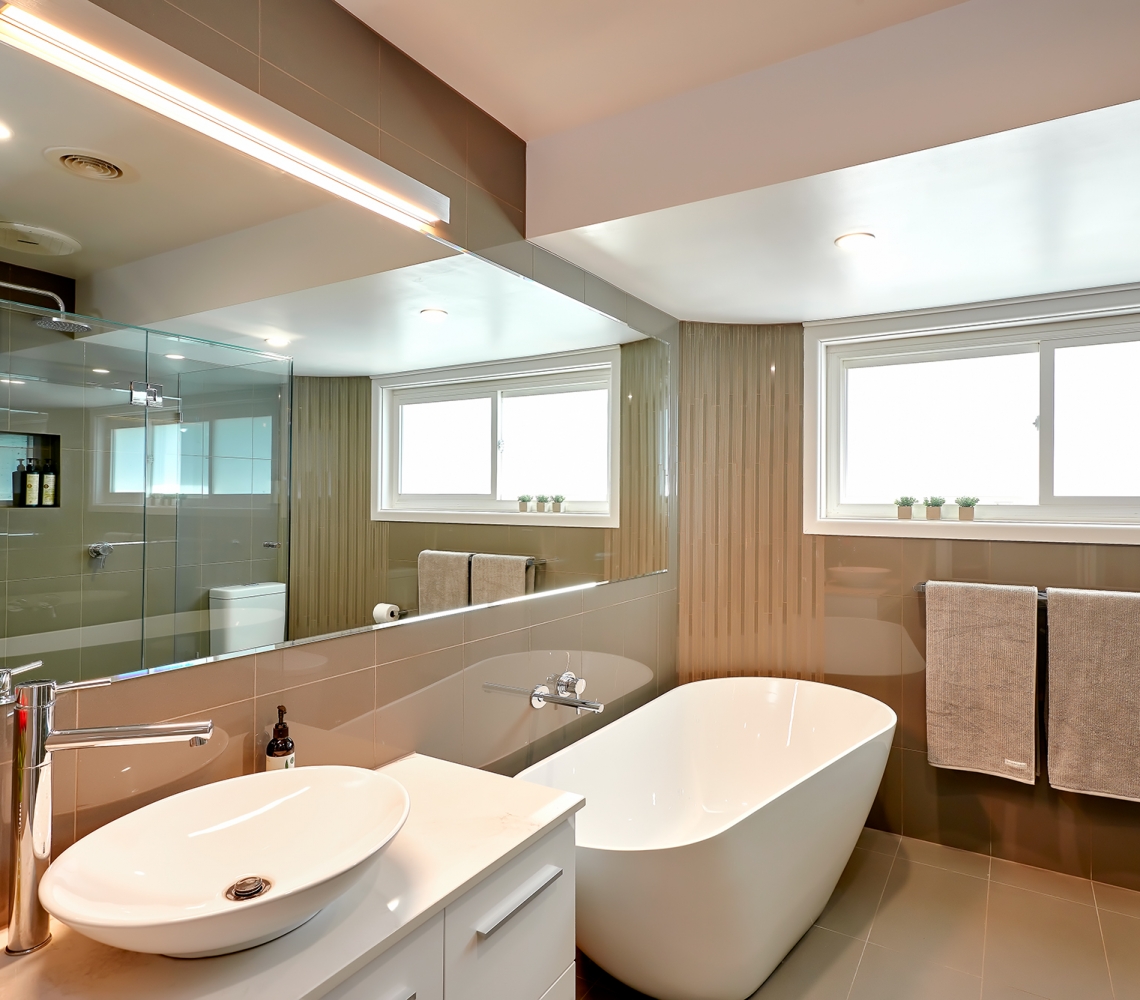
Lighting plays a major role in bathroom usability. A single ceiling light causes shadows and discomfort during tasks like shaving or applying makeup. This is a consistent layout issue found in many older Melbourne homes.
Professional renovators recommend layering three types of lighting for the best results.
Improve your layout with:
- Task lighting near the mirror
- Ambient lighting for comfort
- Waterproof lighting in shower areas
- Even light distribution to reduce shadows
For more layout inspiration, browse JLT Renovations’ Ensuite Renovations examples.
Poor Ventilation Planning
Ventilation protects your bathroom from mould and long-term moisture damage. Yet many homeowners pick an exhaust fan without checking its airflow capacity or placement. This is one of the most costly bathroom design errors, because moisture issues appear only months later.
Builders and renovation experts recommend pairing an exhaust fan with proper window placement. Our bathroom renovation experience in Melbourne shows that a well-sized fan reduces humidity significantly, leading to longer-lasting cabinetry and cleaner air.
Plan effective ventilation by:
- Installing a fan sized for your room
- Using a timer for ongoing circulation
- Keeping windows operable for fresh air
- Ensuring all wet areas are sealed correctly
Must Read: 5 Bathroom Upgrades That Instantly Add Value to Your Home
Incorrect Shower Size and Position
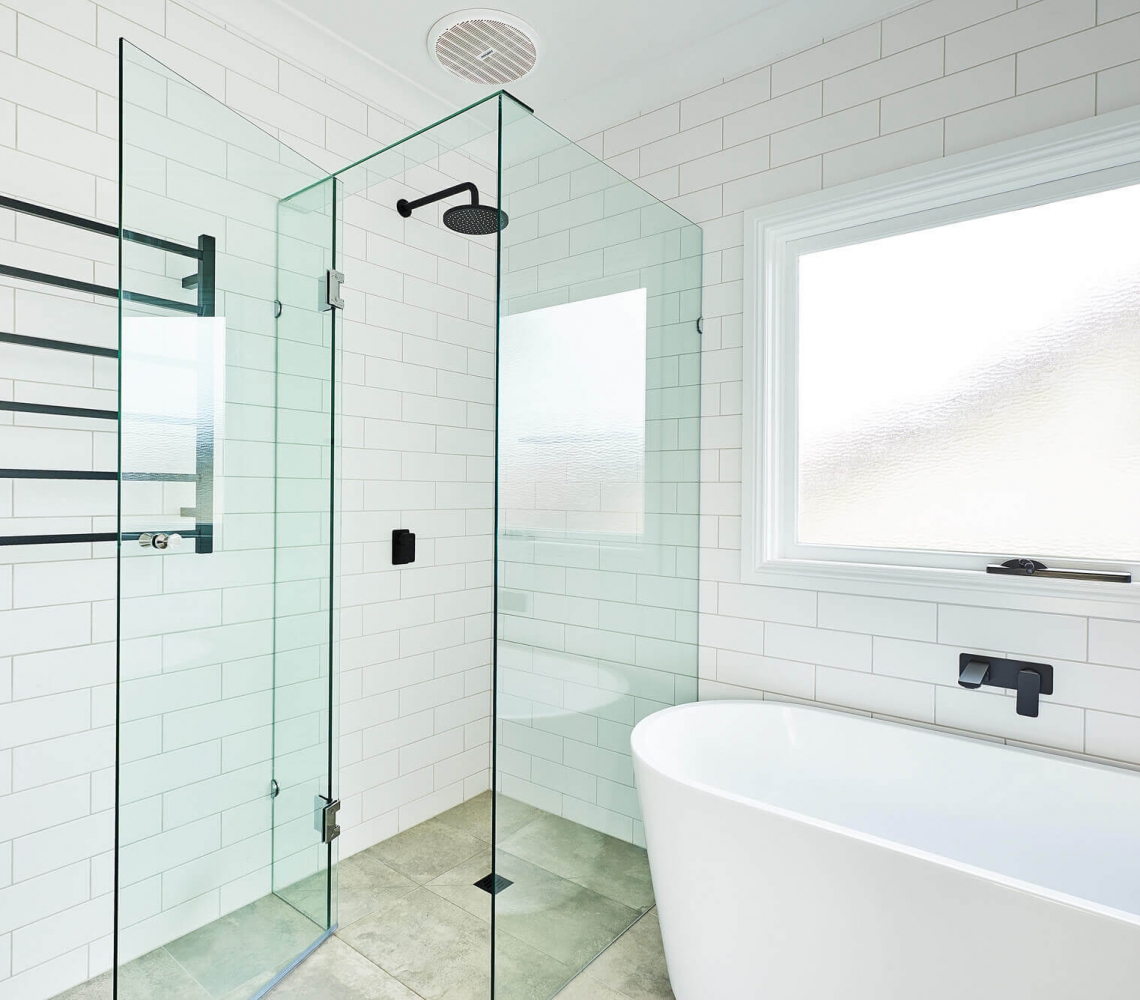
Shower placement affects how easily you can move around the bathroom. Oversized showers reduce circulation space, while small showers feel cramped. Many homeowners request large walk-in showers, only to realise that it compromises the vanity or toilet area.
A functional shower layout considers door clearance, screen height and the location of drainage. Industry experts say that even a 10 cm adjustment can noticeably improve comfort.
Good shower layout planning includes:
- Selecting a size that suits your room
- Ensuring doors and screens open freely
- Using walk-in styles in narrow rooms
- Matching tile size to the shower area
See how we maximised space with a frameless shower in this South Melbourne project.
Check Out: From Rain Showers to Coloured Basins – Top 10 Bathroom Design Trends in Australia
Not Considering Future Needs
A bathroom renovation should support both current and future needs. Many households later wish they had added wider walkways or slip-resistant flooring, especially when planning for long-term living.
JLT Renovations often suggests small layout upgrades that do not change the look of the bathroom but significantly improve safety and accessibility.
Future-focused planning may include:
- Extra wall support for future rails
- Walkways that allow comfortable movement
- Mixer taps that are easier to use
- Flooring with slip resistance
Closing Remarks
Avoiding the most common bathroom layout mistakes can save you stress, money and avoidable redesigns. You now understand how fixture placement, lighting, storage and ventilation shape the long-term success of your renovation.
When these elements are planned early, your bathroom becomes more functional and a better fit for your Melbourne lifestyle.
Homeowners who avoid thorough planning often face ongoing frustrations like poor lighting, limited storage or awkward movement around the room. With the right guidance, these mistakes are easy to prevent.
